THE BRAZILIAN PANTANAL

THE PANTANAL

Where is the Pantanal Located?

The Pantanal is located in South America, 80% of it is in southwestern Brazil, but it also extends to Bolivia and to Paraguay. On the Brazilian side it is primarily in Mato Grosso and Mato Grosso do Sul States.


The total area of the Pantanal depends on the flooding, but it is estimated to be between 50000 and 81000 square miles.


In Brazil you can visit the Southern and the Northern Pantanal, the closest town in the North is Cuiaba, in the South is Campo Grande.

What is the Pantanal?

Most people are wrong about the Pantanal, as it is not the World’s largest wetland. The Pantanal primely is a floodplain. The Pantanal exists as the Paraguay River, the Cuiaba River and their tributaries periodically overflow and flood approx. 75% of the total area. Without the flooding the Pantanal could just be an extension to the Cerrado (Savanna) with its grasslands and dry forests.


On the other hand, the Pantanal builds up from different ecosystems. these include wetlands, grasslands, the river systems, dry forest and even saline lakes in the South.

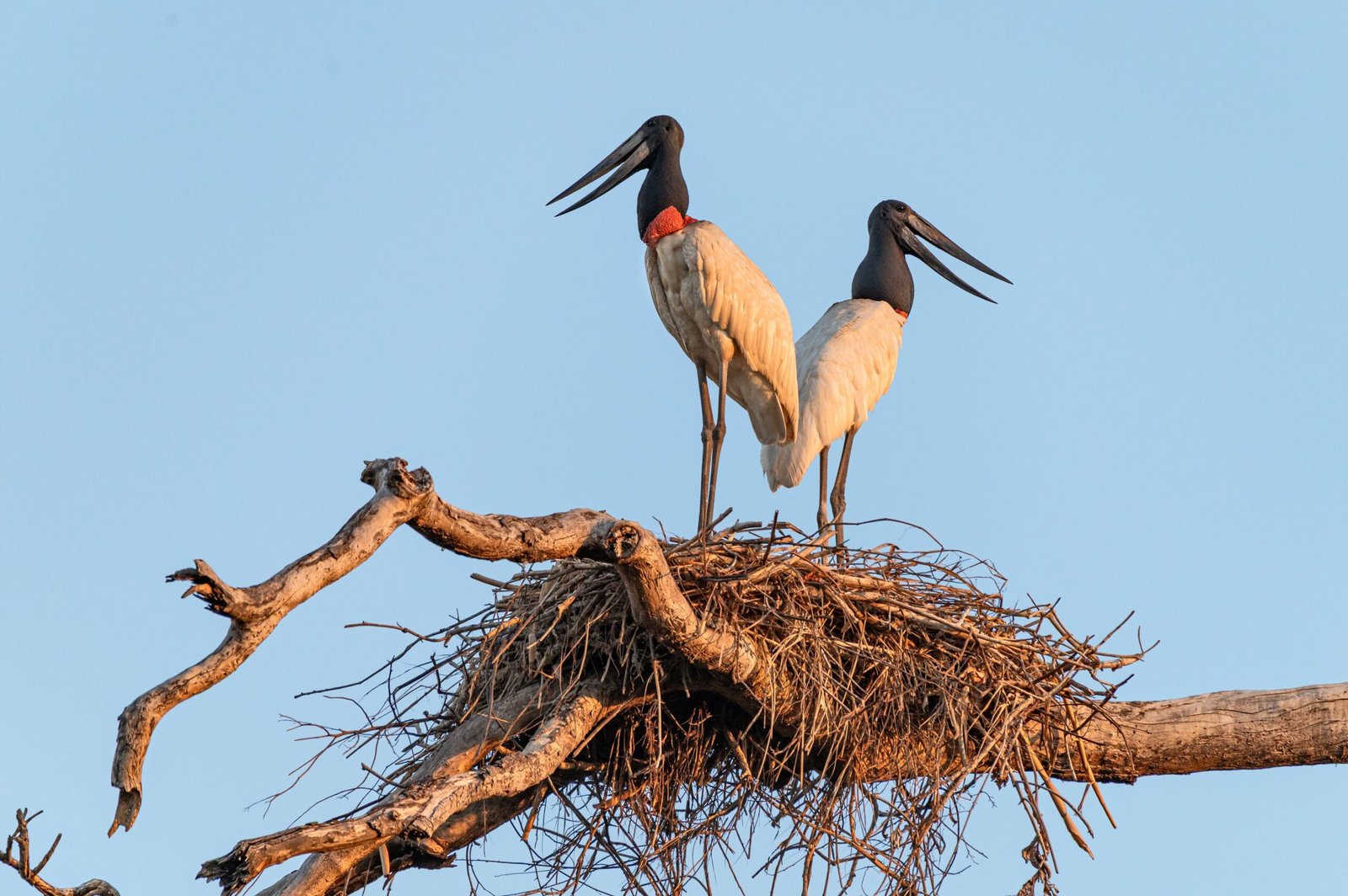
A pair of jabiru storks in the Pantanal
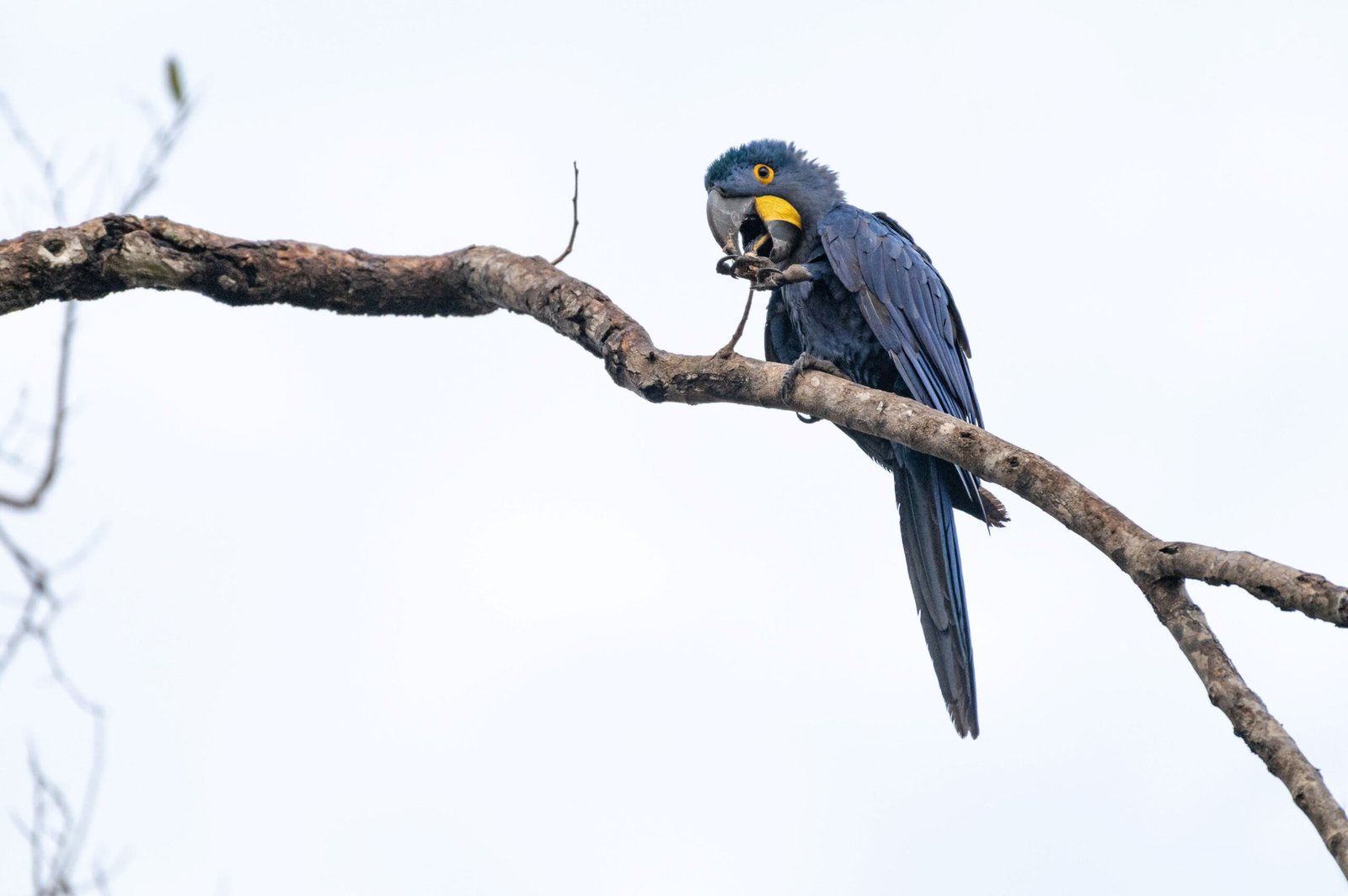
Hyacinth macaw in the Pantanal

What to do in the Pantanal?

The Pantanal is one of the best safari destinations in South America.

The grasslands, the river systems, and the wetlands of the Pantanal are home to nearly 600 species of birds, 150 species of mammal, 170 species of reptiles and amphibians and around 2000 species of plants.

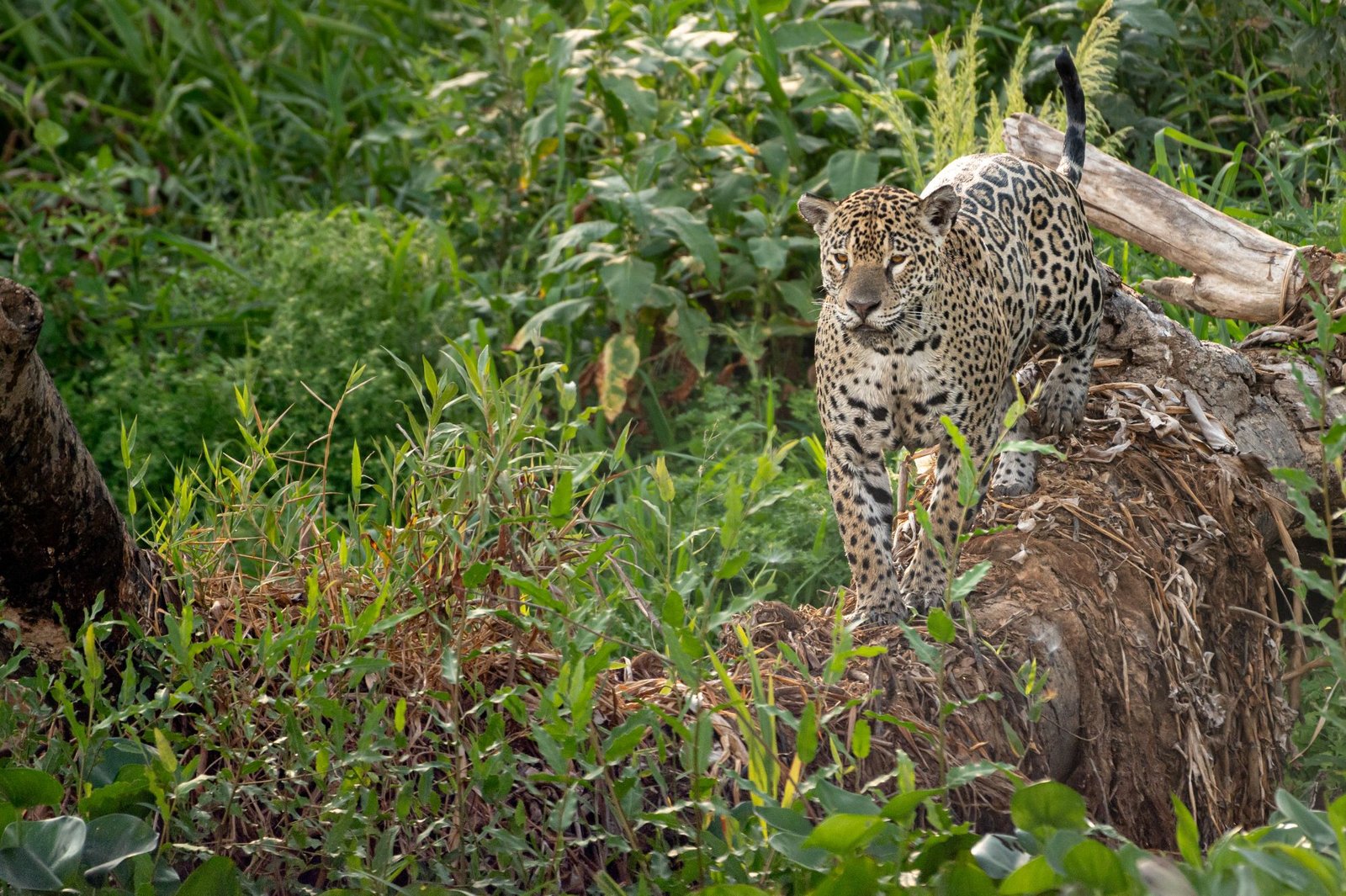
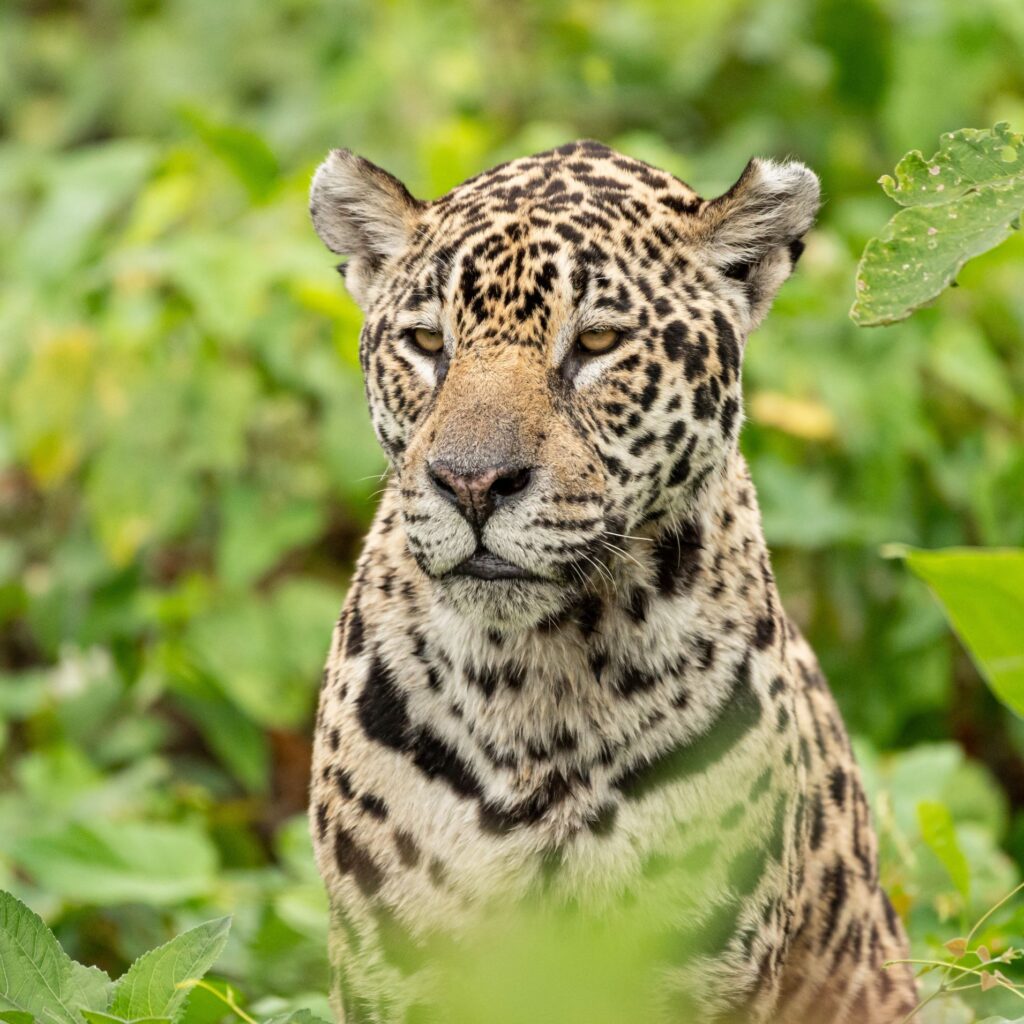
Nowadays the biggest attraction is seeing jaguars in the wild as the wetlands are home to approx. 4000-7000 individuals.  The biggest jaguar density (400+ individuals) can be found in the Encontro das Águas State Park, that is situated near the town of Porto Jofre at the end of the Transpantaneira Road.


Due to the jaguars being habituated, you can spend more time with them from the distance to watch and photograph their natural behaviour.


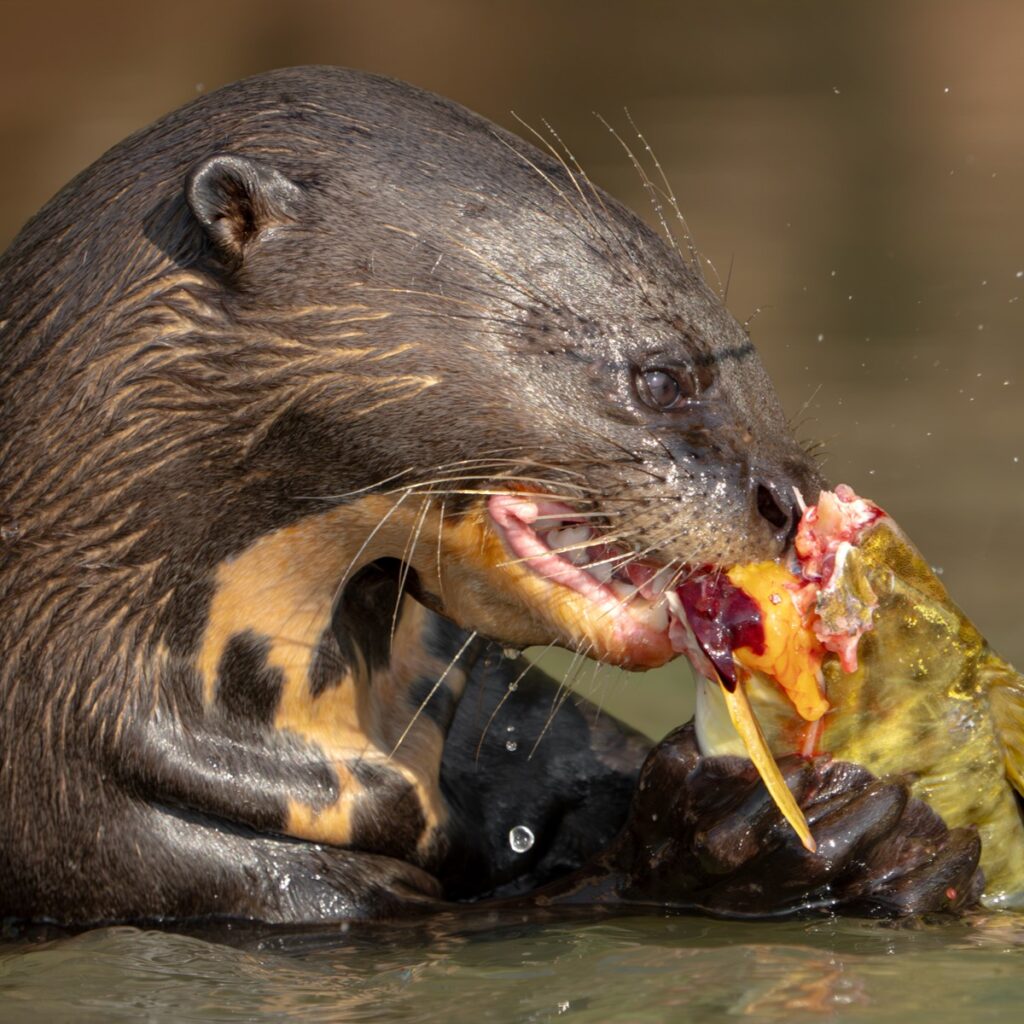
The region is also a famous birdwatching destination, and one of the best places to see giant anteaters and giant river otters too.

When to visit the Pantanal?

The dry-season is between May and October, when the water from teh rivers start receding. As the water levels drop it becomes easier to spot animals. Temperatures are hot (can reach up to 40 degrees) and humidity is somewhat high. Periodical rain showers can still happen. This period is considered the main tourist season. The area is lush and green in May and June with higher water levels. July, August and September is considered high season due to the lower water levels which expose the river banks and jaguars and other mammals can be seen more often and for longer periods. These are a prime months for wildlife and jaguar photography tours too.


The flooding of the rivers is happening between November and April. During this time humidity is higher, and high water levels make it difficult to spot jaguars on the riverbanks. This is of course a vital part, as the flooding guarantee the survival of the Pantanal. During the heavy rains, the Transpantaneira road can also be flooded, which makes it very difficult to get to Porto Jofre.  There are also more mosquitos in this period.

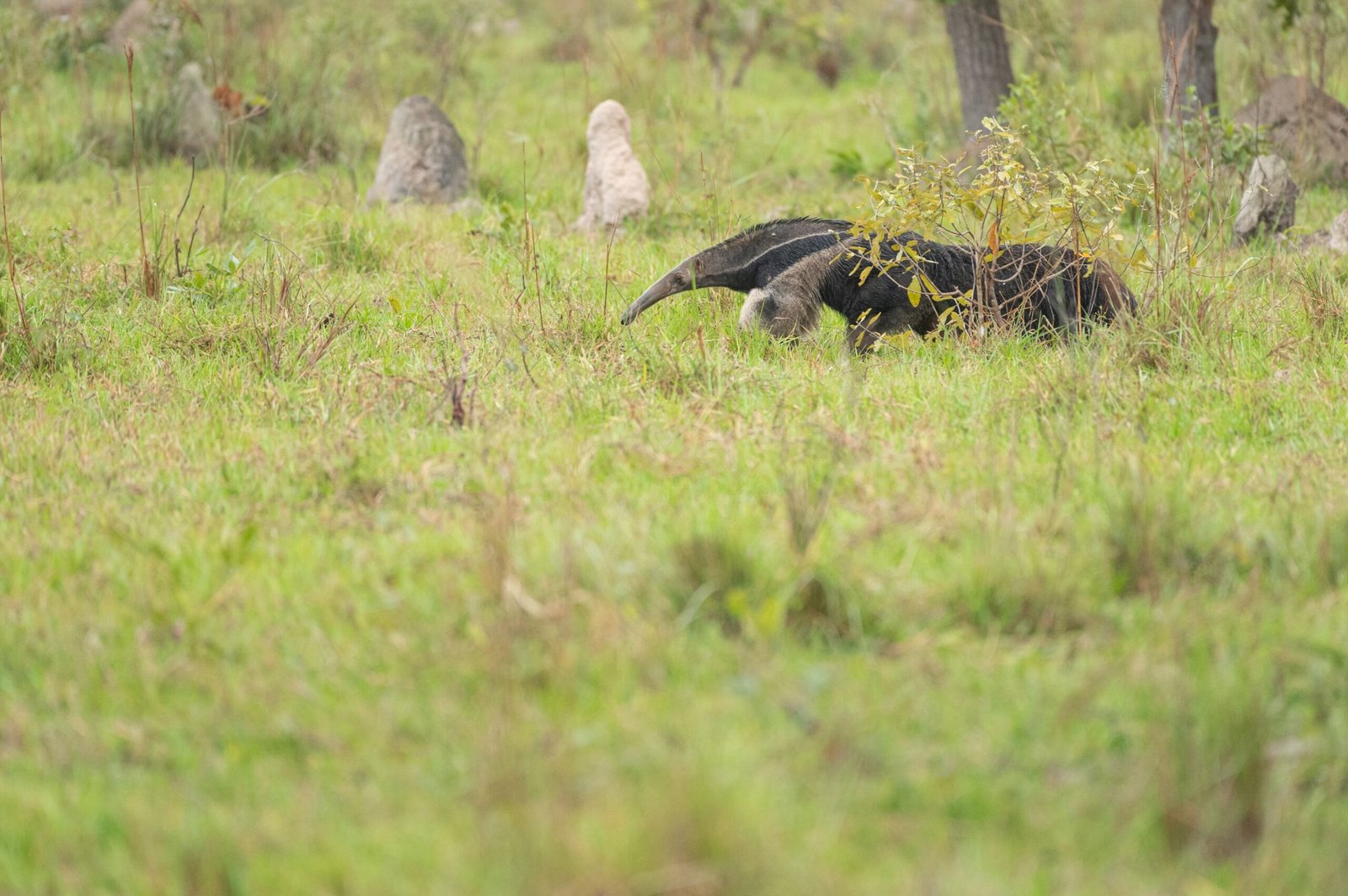
Giant anteater in the Brazilian Pantanal
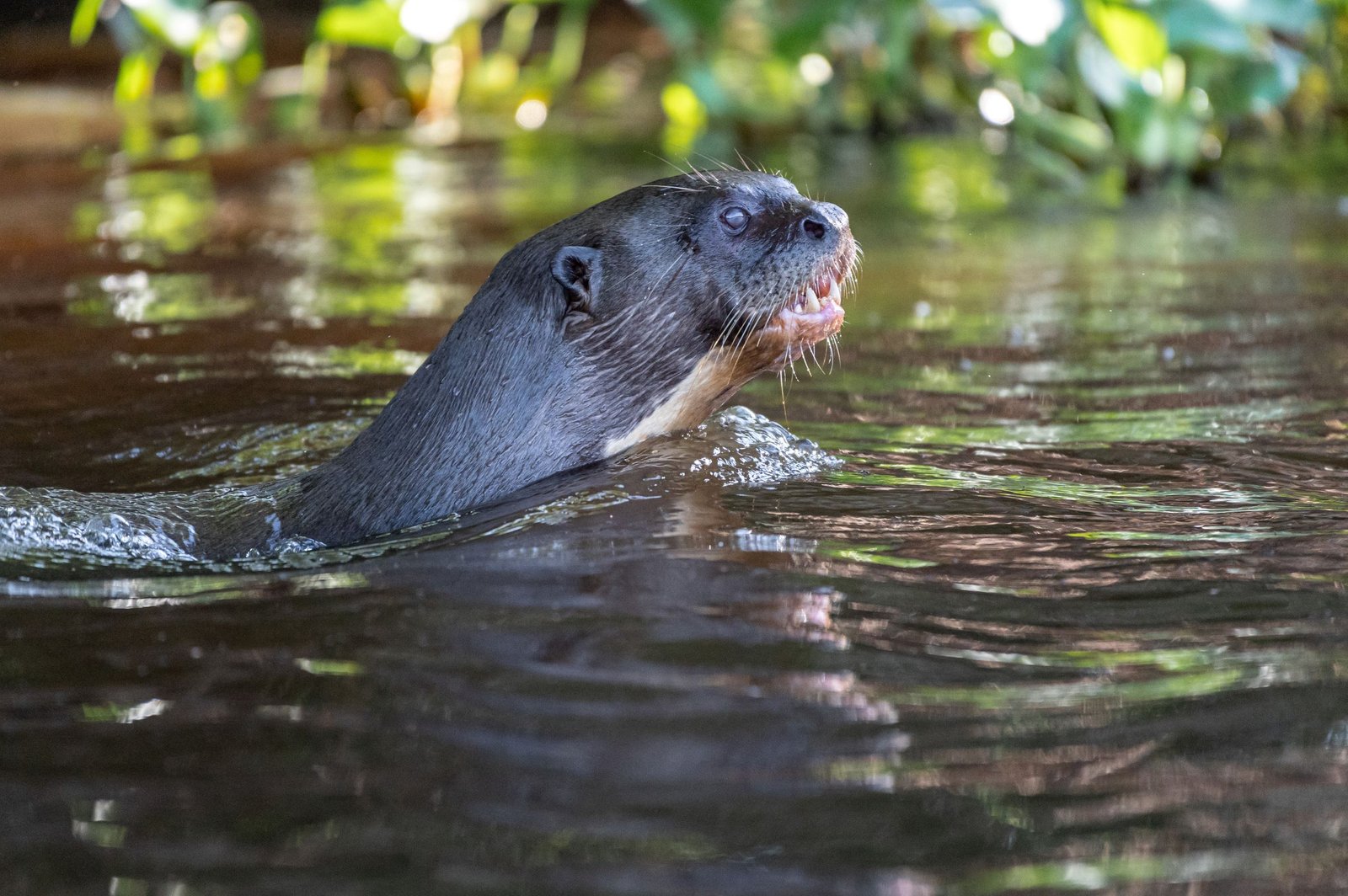
Giant River Otter in the Cuiaba river

The Southern Pantanal

The Brazilian Pantanal spreads out on an extensive area. For visitors we can divide it to the Southern Pantanal and to the Northern Pantanal. The two regions are not connected on the road, to visit both areas you must fly between Campo Grande and Cuiaba.


The Southern Pantanal is great for bird watching and bird photography, there is also a very high chance to see Giant Anteaters and armadillos. Actually the likelihood to see these 2 species is higher than in the North.  In the south you can also see 3 macaw species easily: Hyacinth Macaws, Red-and-Green Macaws and Blue-and-Yellow Macaws. Further south you can visit the geographic formations of the Buraco das Araras (Macaw Sinkhole) with a chance of photographing Macaws in flight. You could also snorkel i the crystal-clear waters of the Rio da Prata.  Caiman Lodge is one of the best places in the South to see jaguars due to their continuous and successful conservation efforts.

The Northern Pantanal

The highlights of the Northern Pantanal can mainly be divided between two destinations.

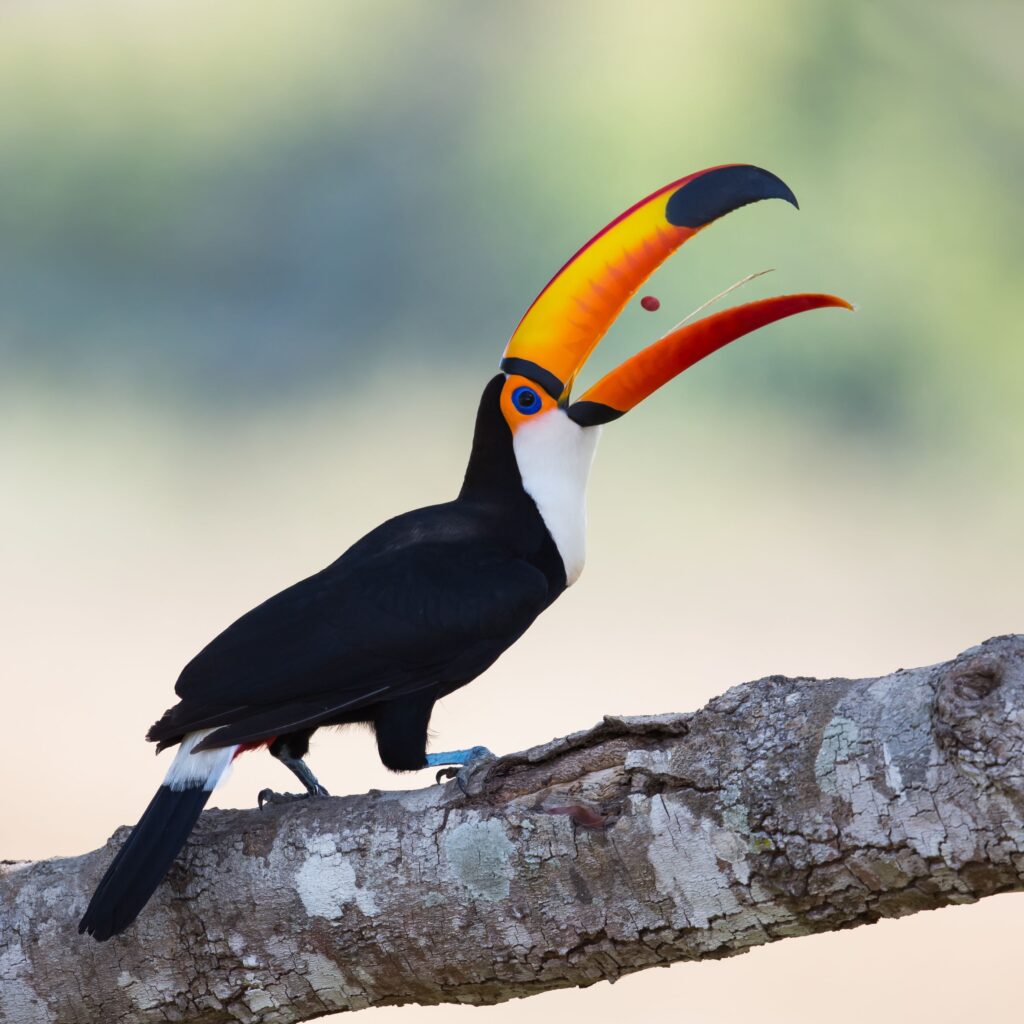
The most popular destination in the Northern Pantanal is Porto Jofre, which is the base for visiting “Jaguarland”, the Encontro das Águas State Park. This is the best place in the World to see jaguars in the wild. The safaris are done on boat safaris on the Cuiaba, the Piquiri Rivers and their tributaries. Besides jaguars, you can easily see Capybaras, Yacare Caimans and close to 100 species of birds (including Hyacinth Macaws, Toco Toucans, Chaco Chachalacas, multiple Heron and egret species, 5 species of kingfishers and the iconic Jabirus) With some luck Giant River Otters and the Brazilian Tapir can be seen too. If you are interested in photographing jaguars this is the place to be.

Further North, 2-hours away from Cuiaba, there are some great lodges near the town of Pocone. Most of these lodges are huge conservation successes and you could explore a different habitat, the grasslands.

Here the most sought-after animals are Giant Anteaters, Crab-eating Foxes, Peccaries,  and 6-7 raptor species along with Red-legged Seriema, the Greater Rhea.

Jaguar in the Brazilian Pantanal near Porto Jofre
Your
Next Holiday

OUR ITINERARIES

THE AMERICAS

NORTHERN PANTANAL PHOTO SAFARI

A 10-day wildlife photography safari to the Northern Pantanal focusing on iconic mammals and birds led by nature photographer Richard Birchett.

THE AMERICAS

MAMMALS OF THE PANTANAL TOUR

A 10-day mammal watching holiday in the Northern Pantanal of Brazil led by Gustavo Gaspari. Jaguars, Giant anteaters, tapirs and many more.

THE AMERICAS

THE THREE BIOMES OF BRAZIL SAFARI

A 12-day guided, bird and wildlife photography holiday in the Brazilian Cerrado, the Pantanal and the Amazon led by Richard Birchett.

ecoterraadventures.com